
FTM Top Surgery
FTM Top Surgery in Turkey
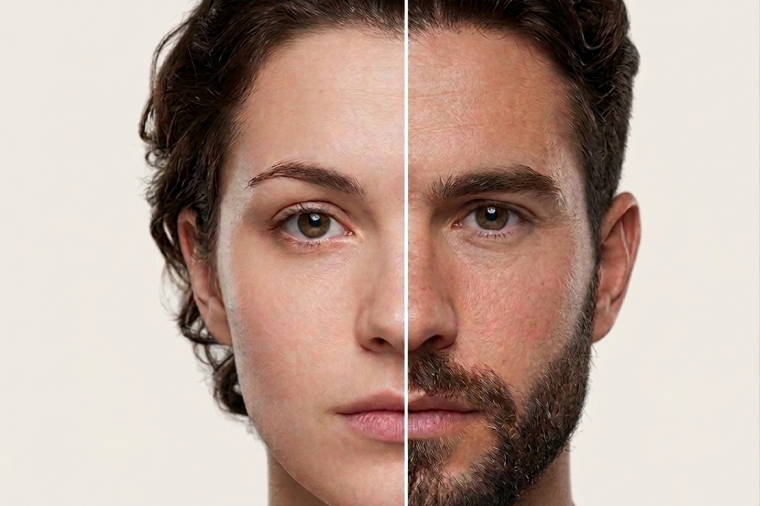
FTM top surgery, also known as chest masculinization surgery, is a gender-affirming procedure designed to create a flatter, more masculine chest contour. For many transgender men and non-binary individuals, this surgery is an important step toward greater physical comfort and alignment with gender identity. Top surgery typically involves removal of breast tissue, reshaping of the chest, and repositioning or resizing of the nipples when needed. Chest wall masculinization as a procedure tailored to body type, skin quality, chest size and nipple position rather than a one-size-fits-all operation.
At Dr. Hakkı Izmirli Plastic Surgery Clinic in Istanbul, each treatment plan is individualized according to chest anatomy, skin elasticity, degree of ptosis, nipple-areola position and the patient’s expectations. The goal is not simply breast tissue removal, but creation of a natural-looking, balanced and masculine chest.
What Is FTM Top Surgery?
FTM top surgery is a masculinizing chest procedure in which breast tissue is removed and the chest wall is reshaped to achieve a flatter contour. Depending on the patient’s anatomy, the surgery may include skin excision, liposuction for contour refinement, reduction of the nipple-areola complex, and nipple grafting or repositioning. Authoritative medical sources describe top surgery as a chest procedure that removes tissue and reshapes the nipples and chest to create a more masculine appearance.
This procedure may help reduce the need for chest binding, improve clothing comfort, and support a more congruent body image. The most suitable method depends on factors such as breast volume, skin excess, skin elasticity and the desired chest definition.
Who Is a Good Candidate for Chest Masculinization Surgery?
You may be a good candidate for FTM top surgery if you:
- wish to achieve a flatter, masculine chest
- are in generally good health
- do not have uncontrolled medical conditions that increase surgical risk
- have realistic expectations about scars, healing and final contour
- are able to follow post-operative instructions carefully
The consultation process is essential. During evaluation, the surgeon reviews your medical history, medications, smoking status, prior surgeries, body proportions and aesthetic goals. A personalized approach is especially important because the best top surgery technique varies according to anatomy.
Which Technique Is Best for FTM Top Surgery?
There is no single best technique for every patient. The correct method depends on chest size, amount of excess skin, nipple position and skin elasticity. Clinical top surgery guidance consistently emphasizes individualized technique selection.
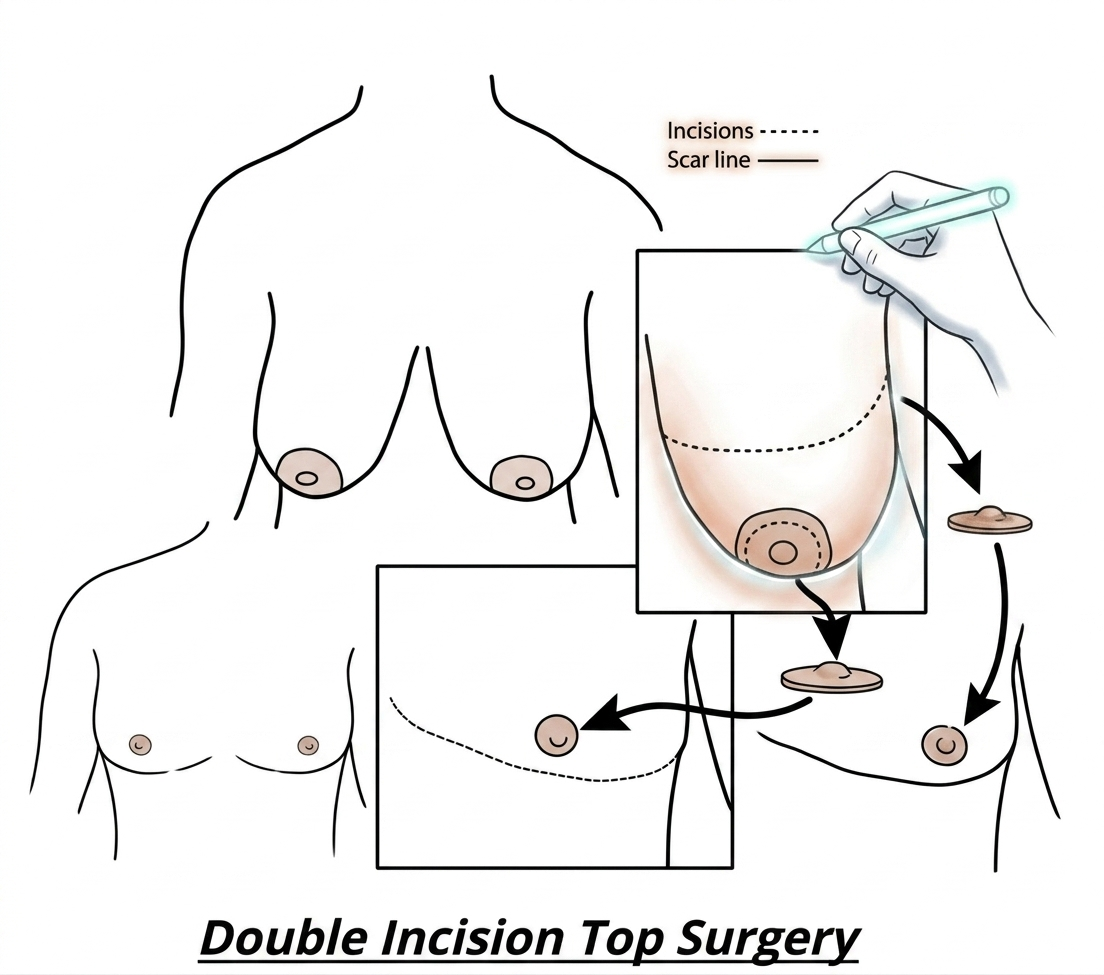
Double Incision with Free Nipple Grafts
Double incision is one of the most commonly used techniques for patients with moderate to large chests or more skin excess. Double incision is a common approach in masculinizing chest reconstruction.
In this method, breast tissue and excess skin are removed through horizontal or slightly curved incisions placed along the lower chest. The nipples are resized and repositioned as free nipple grafts when necessary. This technique is often preferred when significant flattening and contour correction are needed.
Advantages:
excellent access for tissue removal, better control over contour, effective for larger chests and skin excess
Considerations:
longer visible scars, possible changes in nipple sensation, graft healing process
Periareolar Top Surgery
Periareolar surgery may be suitable for selected patients with smaller chests, limited skin excess and good skin elasticity. The incision is placed around the areola, allowing tissue removal with less extensive scars than double incision.
Advantages:
more limited scarring, preservation of chest skin in appropriate candidates
Considerations:
not ideal for significant excess skin or larger chest volume, contour control may be more limited in some cases
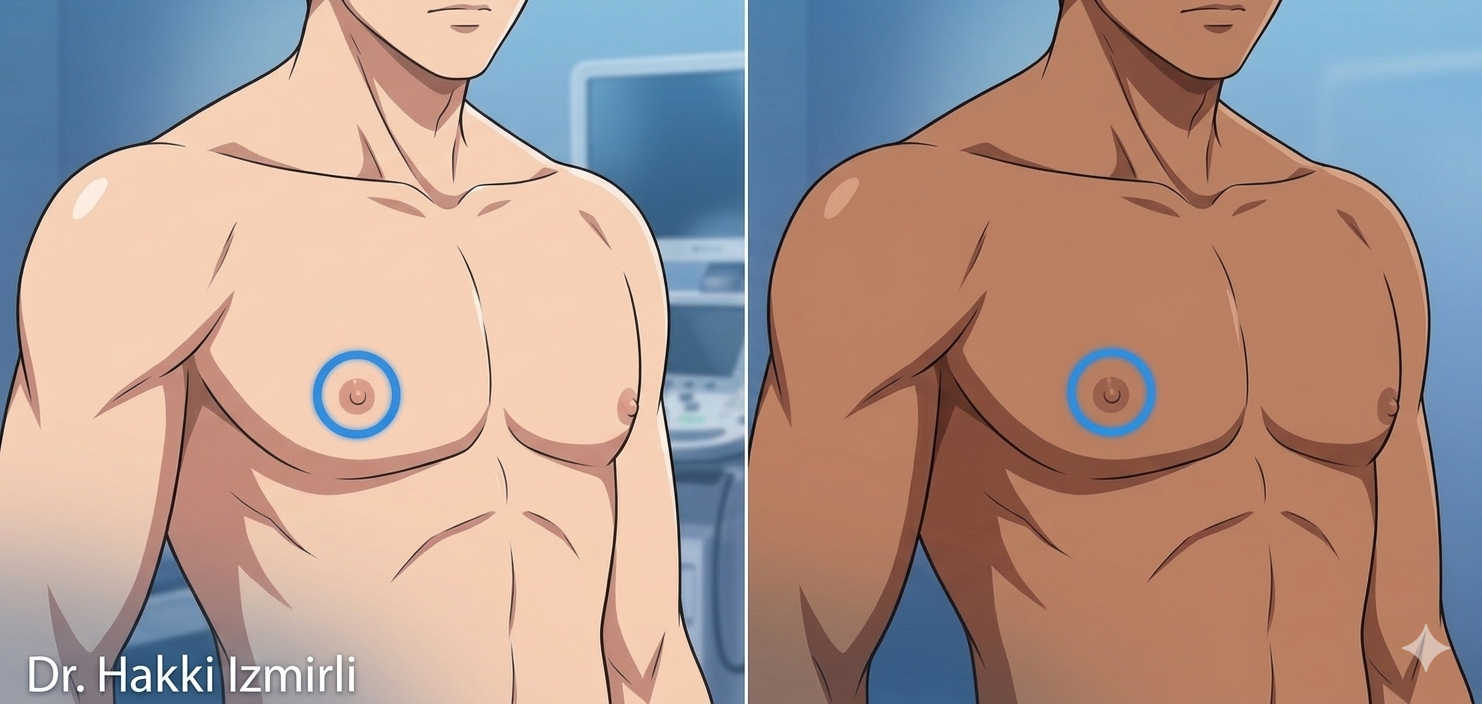
Keyhole Top Surgery
Keyhole top surgery is generally reserved for carefully selected patients with minimal breast tissue and tight skin. Through a small incision, tissue is removed while the skin is expected to retract naturally.
Advantages:
minimal scarring
Considerations:
works only in highly suitable anatomy, limited correction if skin excess or ptosis is present
How Is FTM Top Surgery Performed?
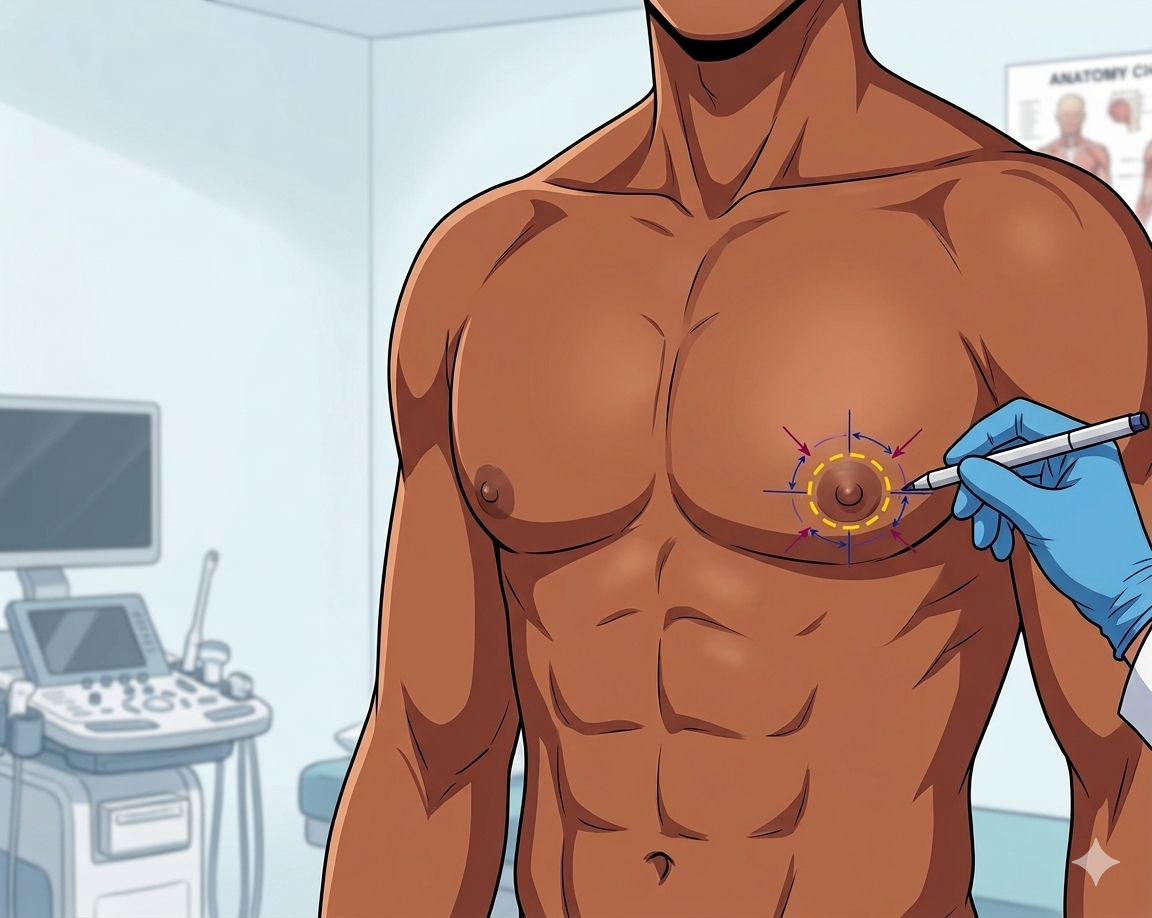
The operation is performed in a hospital setting under general anesthesia. The specific steps vary according to technique, but commonly include:
- preoperative markings while standing
- removal of breast tissue
- contouring of the chest wall
- management of excess skin when needed
- resizing or repositioning of the nipple-areola complex if indicated
- placement of drains in selected cases
- application of dressings and a compression garment
The aim is to create a chest contour that looks natural both in and out of clothing. In many patients, liposuction may also be used selectively to improve the transition toward the lateral chest and underarm area.
Post-Operative Care After Top Surgery
Proper post-operative care after top surgery is essential for a smooth recovery, optimal scar healing, and the best possible chest contour. The first days after surgery are especially important, as the body begins its healing process and swelling, bruising, and mild discomfort are expected. Following your surgeon’s instructions carefully can help reduce the risk of complications and support a more comfortable recovery period.
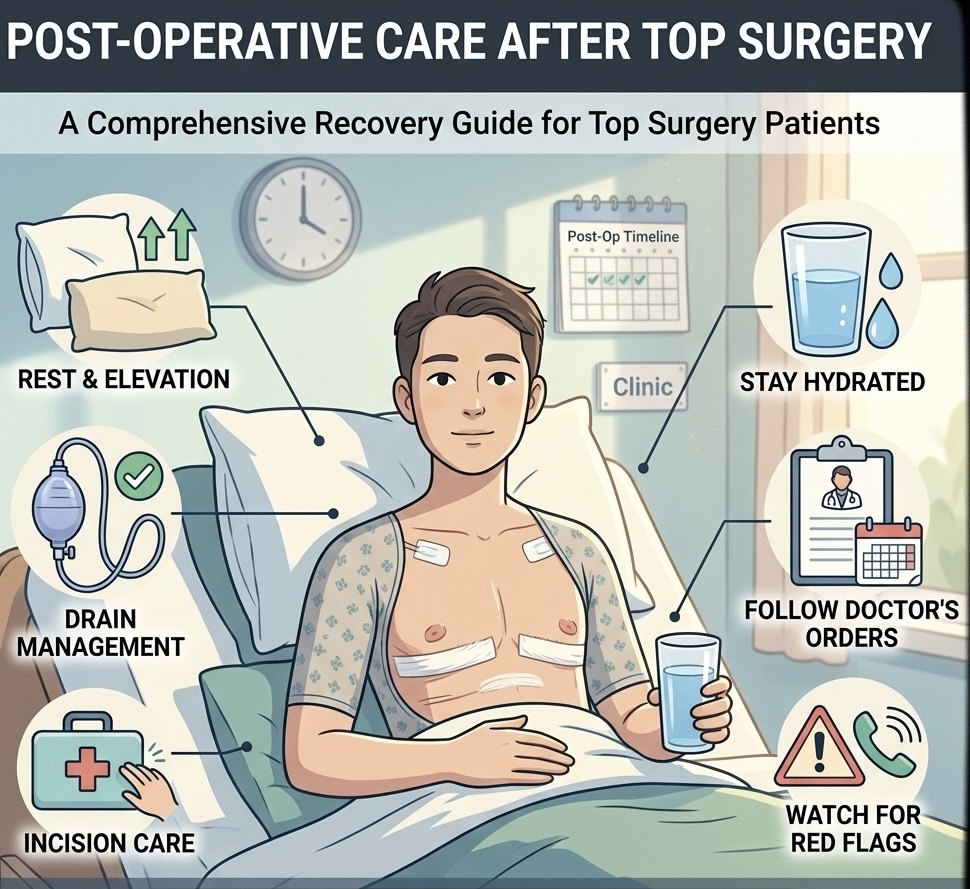
After FTM top surgery, patients are usually advised to rest, avoid sudden arm movements, and wear their compression garment as recommended. The compression garment helps control swelling, supports the new chest contour, and may improve comfort during the early healing stage. Sleeping on your back, keeping the upper body slightly elevated, and avoiding pressure on the chest are also commonly recommended during the first phase of recovery.
Drain care, if drains are used, is another important part of post-operative care after top surgery. Patients should keep the drain area clean, monitor fluid output as instructed, and attend follow-up appointments for proper assessment and removal. Dressings and incision sites should be handled gently, and any signs such as unusual redness, severe swelling, fever, or increasing pain should be reported to the clinic without delay.
Physical activity must be limited during the early recovery period. Heavy lifting, intense exercise, and overhead arm movements should be avoided until healing has progressed sufficiently. Returning to daily activities too quickly may place tension on the incisions and negatively affect scar quality. For this reason, gradual recovery is important after chest masculinization surgery.
Hydration, balanced nutrition, and avoiding smoking are also key factors in healing well after top surgery. Smoking may reduce blood flow and increase the risk of wound healing problems, which is why many surgeons strongly advise stopping smoking before and after the procedure. Good nutrition and adequate rest help the body recover more effectively.
Scar care typically begins only after the incisions have healed adequately and your surgeon confirms that it is safe to do so. Over time, scars usually soften and fade, but this process takes several months. Regular follow-up and proper aftercare play an important role in achieving a flatter, more defined, and natural-looking masculine chest.
If you are traveling from abroad for surgery, planning your stay in Istanbul carefully is also an important part of post-operative care. You should allow enough time for early recovery, follow-up visits, and medical evaluation before flying back home. A personalized recovery plan is always the best approach, as healing time may vary depending on the surgical technique used and your individual condition.
FTM Top Surgery Recovery Timeline
Recovery after top surgery is gradual. Post-operative guidelines note that early reoperation is uncommon but can be required in some cases, and that careful follow-up is important during the first weeks after surgery.
The First Week
During the first few days, swelling, tightness and limited upper body mobility are expected. A compression garment is typically used, and arm movements are kept controlled. Patients should rest, stay hydrated and follow wound care instructions carefully.
Weeks 2–4
Bruising and swelling usually begin to improve. Many patients feel more comfortable with light daily activities during this period, but heavy lifting and strenuous exercise should still be avoided. Drain removal, when used, is usually planned according to recovery progress.
Weeks 4–6
Most patients gradually return to more normal activity, depending on healing and the surgical technique used. Chest contour becomes clearer as swelling decreases, but the final result is still developing.
Scar Maturation and Final Results
Scars continue to soften and mature over several months. Final contour and scar appearance are assessed over time rather than in the first weeks. Patients should understand that top surgery can significantly improve chest shape, but some asymmetry, scar visibility or healing variation may still occur.
Scars, Nipple Sensation and Chest Contour
Every top surgery technique involves trade-offs. Smaller-scar techniques may only be suitable for limited anatomies, while double incision often provides better contour control in larger chests at the expense of longer scars. Nipple sensation can decrease, change or recover partially over time depending on the technique and the individual healing process.
A detailed consultation should include discussion of:
- scar placement
- nipple size and position
- possible asymmetry
- chest fullness near the outer chest
- healing expectations
- realistic long-term appearance
A good result is not just a flat chest, but a chest contour that matches the patient’s body frame and looks balanced.
Risks and Possible Complications
As with any surgical procedure, FTM top surgery carries risks. These may include bleeding, infection, delayed wound healing, hematoma, seroma, asymmetry, contour irregularity, widened scars, partial nipple graft loss, pigmentation changes and altered sensation. Complications are generally uncommon but can include early issues such as hematoma and infection, with some cases requiring reoperation.
Smoking, poor wound care and returning to strenuous activity too soon may increase complication risk. For this reason, preoperative planning and post-operative compliance are essential.
FTM Top Surgery Cost in Turkey
Many patients researching top surgery compare Turkey with the UK, Europe and North America because of cost and accessibility. Current Turkey-focused pages in this topic commonly position FTM top surgery in the approximate mid-thousands-euro or dollar range, with price differences based on technique, hospital standards and package scope.
The exact cost of FTM top surgery in Turkey depends on:
- the technique required
- degree of chest volume and skin excess
- whether nipple grafting is needed
- hospital and anesthesia planning
- length of stay and follow-up needs
- whether travel-related services are included
Because top surgery is highly individualized, the most accurate way to receive a price quote is through direct evaluation with clear chest photos and medical information.

Why Choose Istanbul for FTM Top Surgery?
Istanbul attracts international patients because it combines experienced surgeons, modern hospitals and easier access compared with many Western countries. On current web results, Turkey-based providers consistently compete on the combination of affordability, international patient support and experience in chest masculinization surgery.
For international patients, choosing the right surgeon should be based on more than price. Important factors include:
- surgeon experience in chest contouring
- clear explanation of techniques and scar expectations
- hospital safety standards
- realistic photo-based assessment
- responsive communication before and after surgery
International Patient Journey
For patients coming from abroad, the process usually begins with an online consultation. After reviewing your photos, medical history and goals, a personalized treatment plan is prepared. Travel planning is then arranged according to your surgery date and expected recovery schedule.
In general, international patients should plan enough time in Istanbul for consultation, surgery and early follow-up before flying home. The exact stay depends on the surgical technique, healing progress and whether drains are used.
For a step-by-step guide for international patients, visit our dedicated site: FTM Top Surgery in Istanbul.
Frequently Asked Questions
Is FTM top surgery the same as gynecomastia surgery?
No. Although both procedures involve the chest, FTM top surgery is a gender-affirming chest masculinization procedure planned according to different aesthetic goals, nipple positioning needs and contour requirements.
Will I have visible scars after top surgery?
Yes. The extent of scarring depends on the technique. Smaller-scar methods are possible only in selected patients. Double incision usually creates more visible scars but often offers better control in larger chests.
How long does recovery take?
Initial recovery takes several weeks, while scar maturation and final contour take longer. Most patients return to desk jobs and light work after two weeks. You should avoid lifting heavy weights, regularly raising your arms above your head, or doing weight training for 6–8 weeks.
Do I need hormone therapy before FTM top surgery?
This depends on your individual medical and legal pathway. WPATH Standards of Care Version 8 are a widely recognized framework in gender-affirming care, but practical documentation requirements can vary by country, provider and patient circumstances.
Which top surgery technique is best for me?
The best technique depends on your anatomy, skin elasticity, breast volume, nipple position and goals. A photo-based or in-person consultation is necessary to determine the most appropriate approach.
Contact Dr. Hakkı Izmirli for a Personalized Assessment
If you are considering FTM top surgery in Turkey, the first step is a personalized evaluation. After reviewing your photos and medical information, a tailored surgical plan can be created based on your anatomy, expectations and travel plans.
To receive an individual assessment, you can contact Dr. Hakkı Izmirli Plastic Surgery Clinic in Istanbul through WhatsApp and share clear front and side chest photos together with your age, height, weight, smoking status, previous surgeries and any medical conditions or medications.