

Gynecomastia Surgery in Turkey
Gynecomastia Surgery in Turkey – Male Breast Reduction in Istanbul
What Is Gynecomastia?
Gynecomastia is a condition that affects men, causing the enlargement of breast tissue. It can be a source of embarrassment and self-consciousness for those who experience it. Fortunately, gynecomastia surgery offers a solution to this problem.
Gynecomastia surgery, also known as male breast reduction surgery, is a procedure that aims to reduce the size of the breasts in men. It involves the removal of excess fat and glandular tissue, resulting in a flatter and more masculine chest contour.
One of the key factors to consider when thinking about gynecomastia surgery is the cost. In Turkey, gynecomastia surgery is known for its affordability and high-quality medical care. The cost of the surgery may vary depending on several factors, such as the extent of the procedure and the surgeon's experience.
Op.Dr.Hakkı İzmirli is a renowned plastic surgeon in Turkey who specializes in gynecomastia surgery. With years of experience and a commitment to patient satisfaction, Dr. Izmirli has helped numerous men regain their confidence and achieve their desired chest appearance.
What Are the Symptoms of Gynecomastia?
The symptoms of gynecomastia can vary from mild nipple puffiness to a more noticeable enlargement of the male chest. In some patients, the condition affects both sides equally, while in others, one side may appear larger or more prominent.
Common symptoms of gynecomastia include:
Enlarged male breast tissue on one or both sides
A firm or rubbery tissue under the nipple area
Puffy nipples or visible nipple projection
Increased chest volume despite exercise or weight loss
Chest asymmetry
Tenderness, sensitivity or mild discomfort in the breast area
A rounded or more feminine-looking chest contour
Difficulty wearing tight T-shirts due to chest prominence
Gynecomastia can also occur in men who are slim or physically active. In bodybuilders, the chest may look well-developed, but the nipple area can still appear puffy due to glandular tissue behind the areola.
If breast enlargement continues for a long time, does not improve with weight loss, or causes discomfort in daily life, a medical evaluation can help determine whether the enlargement is caused by fat, glandular tissue or both.
Why Gynecomastia Occurs?
Gynecomastia is the enlargement of male breast tissue caused by an imbalance between estrogen and testosterone levels. It may appear during puberty, persist into adulthood, or develop later due to genetics, hormonal changes, medications, or lifestyle factors.
While exercise and weight loss can reduce excess fat, glandular tissue cannot be removed without surgery. Gynecomastia surgery (male breast reduction) provides a permanent, masculine contour by eliminating the underlying tissue.
Who Is a Good Candidate for Gynecomastia Surgery?
A good candidate for gynecomastia surgery is a man who has persistent breast enlargement, nipple puffiness or a feminine-looking chest contour that does not improve enough with exercise or weight loss. The procedure may be suitable for patients who want a flatter, more masculine chest shape and have realistic expectations about the result.
Gynecomastia surgery may be appropriate for patients who have:
Enlarged breast tissue on one or both sides
Puffy nipples or projection around the areola
Excess fat in the chest area
Firm glandular tissue behind the nipple
Chest asymmetry caused by gynecomastia
Persistent chest fullness despite weight loss or exercise
Discomfort when wearing tight T-shirts or swimwear
Stable body weight and good general health
Before surgery, the chest area should be evaluated to determine whether the enlargement is caused mainly by fat, glandular tissue or both. In some patients, liposuction may be enough. In others, glandular tissue removal may be needed to achieve a flatter and more defined male chest contour.
The best treatment plan is decided after a detailed consultation, photo assessment and medical history review. This allows the surgeon to choose the most suitable technique and explain the expected recovery process, scar location and possible results clearly.
Gynecomastia vs Pseudogynecomastia
Gynecomastia and pseudogynecomastia can look similar, but they are not the same condition. The main difference is the type of tissue causing the enlarged male chest.
Gynecomastia is caused by the growth of glandular breast tissue behind the nipple and areola. This tissue often feels firm or rubbery and may create a puffy nipple appearance. In true gynecomastia, exercise and weight loss may improve the overall chest shape, but they usually do not remove the glandular tissue.
Pseudogynecomastia is mainly caused by excess fat accumulation in the chest area. It is more commonly related to weight gain and body fat distribution. In some cases, weight loss and exercise may reduce the chest volume, but liposuction may still be needed if the fat is resistant.
This distinction is important because the treatment plan is different. Fat-dominant cases may be treated with liposuction alone, while true gynecomastia usually requires removal of the glandular tissue. Many patients have a combination of both fat and glandular tissue, so liposuction and gland excision may be performed together for a flatter, more masculine chest contour.
Gynecomastia Surgery for Bodybuilders
Gynecomastia can also affect men who are physically active or involved in bodybuilding. Even when the body fat percentage is low and the chest muscles are well developed, glandular tissue behind the nipple can create a puffy or protruding appearance.
In bodybuilders, gynecomastia is often more noticeable because the surrounding chest area is lean and defined. The main concern is usually not overall chest size, but the projection of the nipple-areola area and the lack of a flat, masculine chest contour.
Gynecomastia surgery for bodybuilders requires careful planning. The goal is to remove the glandular tissue and, when needed, contour the surrounding fat without damaging the natural shape of the pectoral muscle. In many cases, glandular tissue removal is combined with liposuction to create a smoother transition between the chest and surrounding areas.
Patients who train regularly should usually avoid heavy lifting and chest exercises during the early recovery period. Light walking can begin shortly after surgery, but weight training and intense upper-body workouts should only be resumed after the surgeon’s approval. This helps protect the healing tissues and supports a more stable, balanced result.
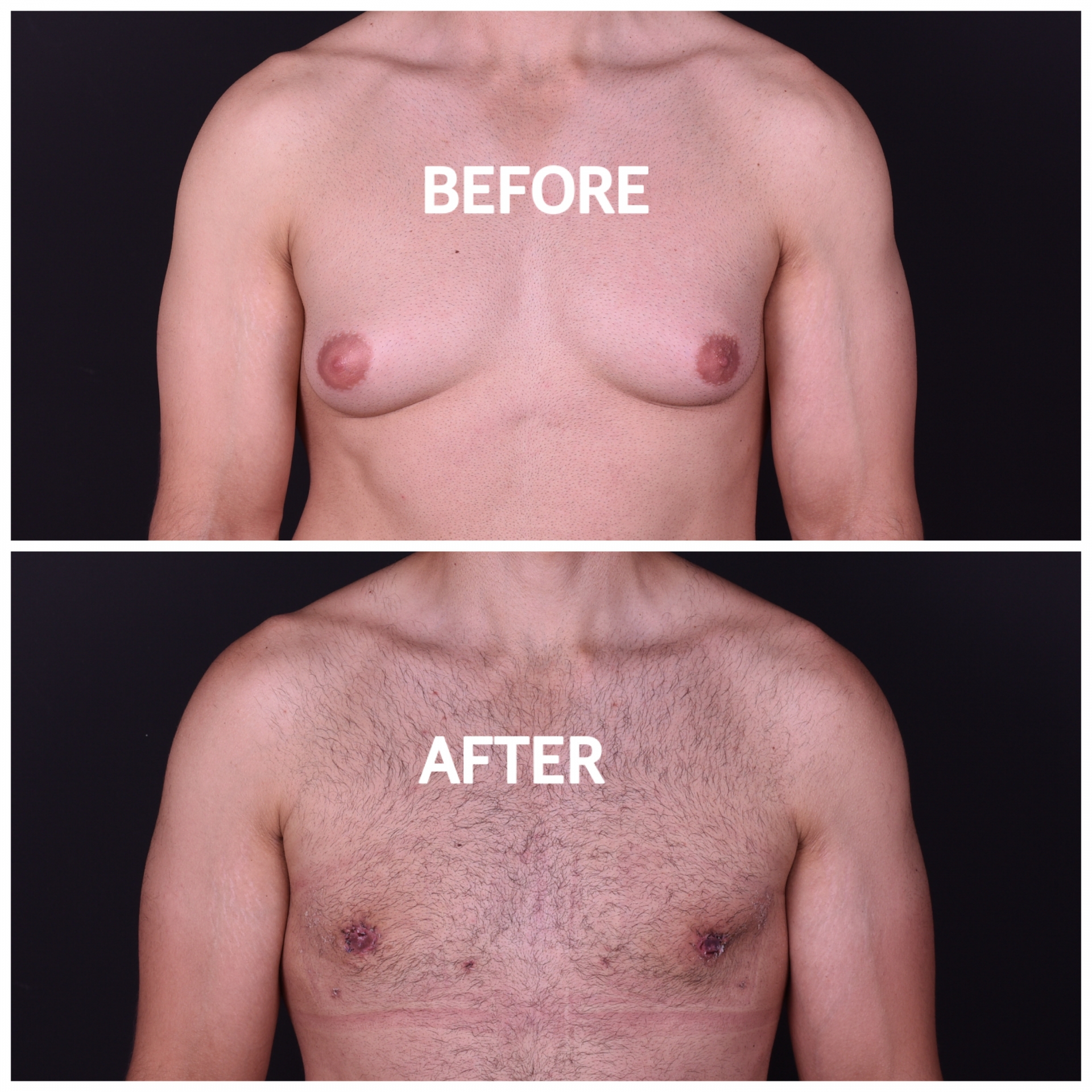
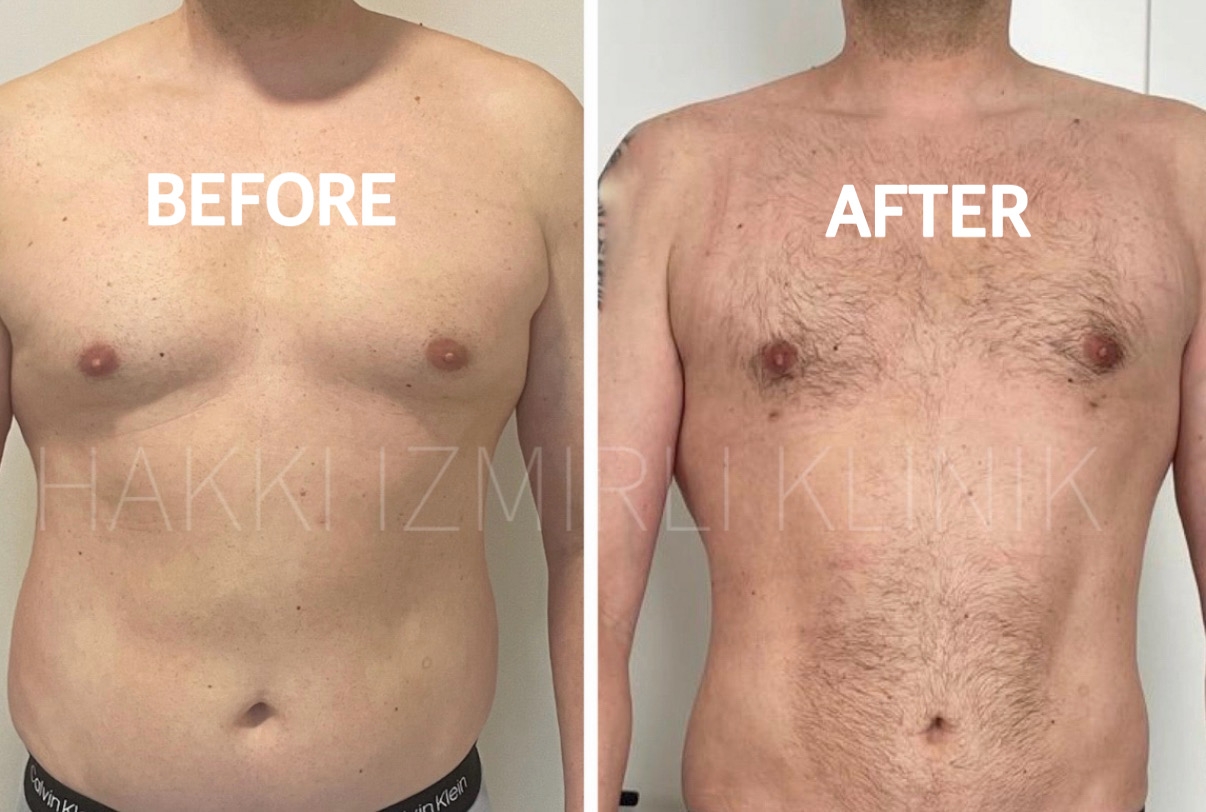
Before & After – Patient Gallery
Our before and after gynecomastia surgery photos clearly demonstrate the natural, sculpted outcomes achieved at Dr. Izmirli’s clinic.
Every result reflects precision, artistry, and years of experience in aesthetic body contouring.
Browse our gallery to see real patient transformations — all performed with attention to symmetry, proportion, and scar concealment.
How Is Gynecomastia Surgery Performed?
At Dr. Hakkı Izmirli’s Aesthetic Clinic in Istanbul, gynecomastia correction is tailored to each patient’s chest structure, skin quality, and degree of glandular versus fatty tissue.
Common techniques include:
Liposuction-only technique: Ideal for patients with soft, fatty enlargement and firm skin elasticity. Small incisions allow removal of fat via microcannulas, resulting in minimal scarring.
Glandular excision: When dense glandular tissue is present beneath the nipple-areolar complex, it is surgically excised through a small semi-circular incision along the areola edge.
Combined method: A hybrid approach using both liposuction and direct excision for optimal contour correction.
In severe or skin-excess cases, excess skin may also be trimmed to achieve a flat, masculine chest.
How Long Does Gynecomastia Surgery Take?
Gynecomastia surgery usually takes 45 minutes to 2 hours, depending on the degree of breast enlargement, the amount of fat and glandular tissue, and the surgical technique required.
In fat-dominant cases, liposuction alone may be enough, and the operation can be shorter. If firm glandular tissue behind the nipple needs to be removed, gland excision is added to the procedure, which may slightly increase the operation time.
More advanced cases with excess skin, sagging or significant asymmetry may require a more detailed surgical plan. In these patients, the procedure may take longer because both tissue removal and chest contouring need to be performed carefully.
Gynecomastia surgery is commonly performed under general anesthesia. After the procedure, a compression garment is applied to help reduce swelling and support the new chest contour during the early recovery period.
Gynecomastia Surgery Cost in Turkey 2026
The cost of gynecomastia surgery in Turkey in 2026 can vary depending on the patient’s chest structure, the surgical technique required and the details of the treatment package. Since gynecomastia can be caused by excess fat, glandular breast tissue, loose skin or a combination of these factors, the final price should be determined after a personal assessment.
What Affects the Cost of Gynecomastia Surgery?
The total cost may change according to several factors:
Surgical technique: Liposuction-only cases are usually less complex, while combined liposuction and glandular tissue removal may require a more detailed surgical plan.
Glandular tissue removal: If firm tissue behind the nipple needs to be removed, the operation may take longer than liposuction alone.
Vaser liposuction: Vaser-assisted contouring may be used to create a smoother and more masculine chest shape.
Excess skin: Advanced gynecomastia cases with loose skin or sagging may require additional surgical planning.
Hospital and anesthesia: The hospital setting, operating room conditions and anesthesia process are included in the overall treatment plan.
Length of stay: International patients may need a package that includes accommodation, transfers and follow-up appointments before flying home.
What Is Typically Included?
A gynecomastia surgery package in Turkey may include:
Consultation with the surgeon
Consultation with the anesthesiologist
Pre-operative blood tests
General anesthesia
Operating room and hospital fees
One night hospital stay
Medications used during the hospital stay
Post-operative compression garment
Follow-up visit before departure
Airport, hotel and clinic transfers
Hotel accommodation, depending on the package
What Is Usually Not Included?
The following are usually not included in standard gynecomastia surgery packages:
International flights
Extra hotel nights beyond the package
Personal expenses
Additional tests or treatments unrelated to the surgery
Revision surgery, unless specifically stated in the treatment plan
Why Is a Photo Assessment Important?
A fixed price is not always accurate for gynecomastia surgery because each patient may need a different approach. Some patients only require liposuction, while others need glandular tissue removal or additional contouring. For this reason, clear photos and medical information are reviewed before giving a personalized treatment plan.
After the assessment, Dr. Hakkı Izmirli’s clinic can provide details about the recommended technique, recovery process, package inclusions and estimated cost for gynecomastia surgery in Istanbul, Turkey.
Recovery Timeline
Recovery after gynecomastia surgery is typically smooth and comfortable.
Most patients return to desk work within 3–5 days.
Light exercise can resume after 2 weeks.
Full gym activity and chest training are usually allowed at 4–6 weeks.
Wearing a compression garment for the first few weeks helps minimize swelling and supports the chest contour.
Mild bruising or tightness may occur initially, but visible results appear as early as 2 weeks, with final definition developing over several months.
Is Gynecomastia Surgery Right for You?
You may be a good candidate if you:
Have persistent chest fullness despite a healthy lifestyle
Experience self-consciousness or discomfort when wearing fitted clothing
Maintain stable weight and overall good health
Do not smoke or are willing to stop before and after surgery
During your consultation, Dr. İzmirli will evaluate your medical history, chest anatomy, and expectations to determine the most suitable technique.
Frequently Asked Questions
Is Gynecomastia Surgery Permanent?
Gynecomastia surgery usually provides long-lasting and permanent results, especially when the glandular breast tissue is removed. Once this tissue is surgically removed, it is not expected to grow back in the same way.
However, significant weight gain, hormonal problems, certain medications or anabolic steroid use may cause new chest enlargement over time. Maintaining a stable weight and avoiding risk factors helps preserve the result.
Can Gynecomastia Go Away Without Surgery?
In some teenagers, gynecomastia may improve naturally as hormone levels stabilize. However, long-lasting gynecomastia in adults usually does not go away completely without surgery.
Weight loss and exercise can reduce chest fat, but they cannot remove firm glandular tissue behind the nipple. If the enlargement is caused by glandular tissue, gynecomastia surgery is usually the most effective option for a flatter, more masculine chest contour.
What Should You Avoid After Gynecomastia Surgery?

After gynecomastia surgery, you should avoid activities that may increase swelling, bleeding or pressure on the chest area during the early recovery period.
You should avoid:
Heavy lifting and intense exercise
Chest workouts, push-ups and weight training
Sleeping on your chest
Removing the compression garment without your surgeon’s approval
Smoking and alcohol during the early healing period
Swimming, sauna and steam rooms until healing is complete
Direct sun exposure on incision areas
Taking blood-thinning medications without medical approval
Light walking is usually encouraged shortly after surgery, but strenuous activity should only be resumed after your surgeon confirms that healing is progressing well.
Gynecomastia Surgery Risks
Gynecomastia surgery is generally considered safe when performed on a suitable patient by an experienced surgeon. However, like any surgical procedure, it may involve some risks.
Possible risks include:
Bleeding or hematoma
Infection
Swelling, bruising and temporary firmness
Changes in nipple sensation
Asymmetry between the two sides
Irregular chest contour or skin unevenness
Visible scarring
Delayed wound healing
Fluid accumulation
Nipple retraction or depression
Need for revision surgery in rare cases
Most risks can be reduced with proper surgical planning, sterile hospital conditions, careful post-operative follow-up and following your surgeon’s recovery instructions. Smoking, uncontrolled medical conditions and certain medications may increase the risk of complications, so they should be discussed before surgery.
Why Choose Dr. Hakkı Izmirli for Gynecomastia Surgery in Turkey?
Choosing the right surgeon is an important step for achieving a natural, flat and masculine chest contour. Gynecomastia surgery requires more than simply removing excess tissue; it also involves careful chest shaping, symmetry planning and protection of the natural pectoral contour.

Dr. Hakkı Izmirli evaluates each patient individually to determine whether the enlargement is caused by fat, glandular tissue or both. According to the patient’s anatomy, the treatment plan may include liposuction, glandular tissue removal, Vaser liposuction or additional contouring for more advanced cases.
For international patients, the clinic provides a structured treatment process in Istanbul, including online photo assessment, surgical planning, hospital organization and post-operative follow-up before departure. The aim is to offer a safe, clear and personalized experience from the first consultation to recovery.
With a patient-specific approach, Dr. Hakkı Izmirli focuses on creating a flatter, more balanced and masculine chest appearance while keeping the result natural and proportional to the patient’s body.
Book Your Consultation
For a personalized gynecomastia surgery assessment, you can contact Dr. Hakkı Izmirli’s clinic via WhatsApp. After reviewing your photos and medical information, our team will provide details about the most suitable technique, recovery process and estimated cost.