
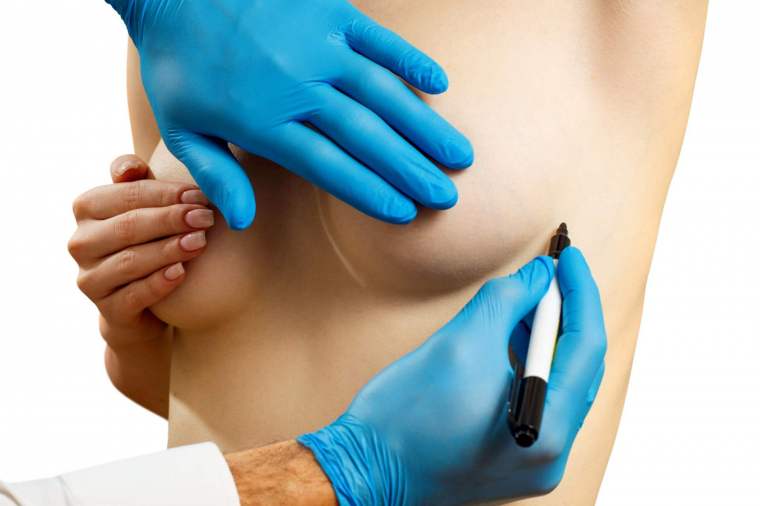
Breast Reduction Turkey 2026 – Natural Results | Dr. Hakkı Izmirli
Breast Reduction Turkey 2026 – Natural Results | Dr. Hakkı Izmirli
Breast reduction surgery in Turkey has become one of the most popular procedures for international patients seeking relief from physical discomfort and improved body proportions. Dr. Hakkı Izmirli is a highly experienced plastic surgeon in Istanbul with over 20 years of experience and 1000+ breast procedures performed. His clinic combines advanced surgical techniques, personalised treatment plans, and all-inclusive packages designed for UK, European, and international patients seeking breast reduction in Istanbul.
Who Is a Good Candidate for Breast Reduction?
Breast reduction surgery may be the right choice for women who experience physical discomfort or emotional distress caused by excessively large or heavy breasts. A good candidate is generally someone who:
- Has breasts that cause chronic back, neck, or shoulder pain
- Experiences painful bra strap indentations or skin irritation under the breast fold
- Finds it difficult to exercise, play sports, or perform daily activities comfortably
- Has asymmetrical breasts that affect body image and confidence
- Struggles to find clothing that fits properly due to breast size
- Has realistic expectations about surgical outcomes
- Is in good general health, a non-smoker (or willing to quit before surgery), and at a stable weight
Breast reduction is not purely cosmetic — for many patients it is a medically necessary procedure that dramatically improves quality of life.
Typical Symptoms of Overly Large Breasts
Large, heavy breasts can cause a wide range of physical and emotional symptoms that affect everyday life. The most common complaints include:
- Chronic pain in the back, neck, shoulders, and upper spine
- Deep grooves or indentations from bra straps digging into the shoulders
- Skin rashes, redness, or fungal infections beneath the breast fold, particularly in warm weather
- Poor posture and spinal curvature caused by the forward weight of the breasts
- Difficulty breathing or discomfort when lying down in certain positions
- Restricted movement during exercise, running, or physical activity
- Difficulty finding well-fitting clothing or swimwear
- Emotional distress, self-consciousness, or unwanted attention due to breast size
Many patients report that these symptoms have been present for years before they consider surgery. Breast reduction can provide lasting relief from all of the above.
When Should Surgery Be Postponed?
While breast reduction is a safe and well-established procedure, there are certain situations where it is advisable to delay the operation:
- Pregnancy or breastfeeding — hormonal changes significantly affect breast tissue and results may not be stable
- Planned pregnancy in the near future — it is generally recommended to complete your family before surgery
- Active infection or unresolved breast findings — any unexplained lumps or abnormalities must be investigated beforehand
- Significant weight fluctuations — results are best maintained at a stable weight; losing or gaining a large amount of weight after surgery can affect the outcome
- Uncontrolled chronic conditions — such as diabetes or cardiovascular disease that increase surgical risk
- Active smoking — nicotine severely impairs wound healing and increases complication risk; cessation of at least 4 weeks before surgery is required
The final decision on timing is always made following a personal medical consultation and examination with Dr. Hakkı İzmirli.
Benefits of Breast Reduction Surgery
Breast reduction surgery offers far more than an aesthetic improvement. For most patients, it is a life-changing procedure that delivers both physical relief and renewed confidence.
Physical Benefits
- Immediate relief from chronic pain — back, neck, and shoulder pain caused by the weight of large breasts is significantly reduced or eliminated
- Improved posture — with less forward load on the chest, the spine can return to a more natural, upright position
- Freedom of movement — exercise, running, and physical activity become easier and more comfortable
- Elimination of skin irritation — rashes, redness, and infections beneath the breast fold clear up following surgery
- Relief from bra strap pressure — painful shoulder grooves caused by heavy bra straps disappear
- Better sleep — many patients find it easier to sleep comfortably after surgery
Aesthetic Benefits
- Smaller, lighter, and better-proportioned breasts that are in harmony with the rest of the body
- Improved breast shape and firmness — reduction is almost always combined with a lift for a more youthful contour
- Better-fitting clothing and swimwear — patients frequently report this as one of the most immediately appreciated changes
- Improved symmetry — asymmetrical breasts can be corrected during the same procedure
Emotional & Psychological Benefits
- Increased self-confidence and comfort in one's own body
- Freedom from unwanted attention or self-consciousness in social situations
- Greater motivation to exercise and adopt a more active lifestyle
- Improved overall quality of life — patients consistently report this as one of the most impactful procedures they have undergone
Breast reduction is consistently ranked among the highest patient satisfaction procedures in plastic surgery worldwide.
A detailed consultation with Dr. Hakkı Izmirli will help determine the extent of reduction and the techniques best suited to achieve your personal goals.
How Is Breast Reduction Surgery Performed?
Breast reduction surgery is a carefully planned procedure tailored to each patient's anatomy, breast size, and desired outcome. Below is an overview of what to expect at each stage.
Consultation and Surgical Planning
The first step is a thorough in-person or online consultation with Dr. Hakkı Izmirli. During this session:
- Breast size, shape, skin quality, nipple position, and any asymmetry are carefully assessed
- Your symptoms, medical history, and aesthetic goals are discussed in detail
- The most appropriate surgical technique and incision pattern are selected
- The expected degree of reduction, new breast shape, and scar placement are explained clearly
- Pre-operative blood tests, anaesthesia planning, and instructions regarding medications, smoking, and diet are provided
The goal of the consultation is to create a personalised surgical plan that achieves both functional relief and a natural, proportionate aesthetic result.
Techniques: Anchor Incision, Vertical Scar & Lejour Technique
The surgical technique is selected based on breast size, the amount of tissue to be removed, skin quality, and the degree of sagging. There is no single best method — the right choice depends entirely on your individual anatomy.
Anchor Incision (Inverted-T / T-Scar) The incision runs around the areola, vertically downward, and horizontally along the breast fold. This is the most established technique for larger reductions and heavily sagging breasts. It allows maximum tissue removal and precise reshaping, with reliable, long-lasting results. The trade-off is a longer scar pattern.
Vertical Technique (Lollipop Scar) The incision runs around the areola and vertically downward, omitting the horizontal scar along the breast fold. This technique is well-suited for moderate reductions and patients with good skin elasticity. It produces a shorter scar while still achieving significant reshaping and lifting.
Lejour Technique A refined vertical, scar-sparing method that minimises scarring while delivering excellent shape and projection. It is commonly used for small to moderate reductions where tissue quality allows a stable, long-term result. Newer evidence also supports its use in larger reductions in selected patients.
No technique is universally superior. Dr. İzmirli will recommend the most appropriate method based on your breast anatomy, the volume to be removed, and the safest, most stable long-term outcome for your body.
Anaesthesia, Procedure Time and Hospital Stay
Anaesthesia Breast reduction is performed under general anaesthesia, ensuring you are fully comfortable and pain-free throughout the procedure. A pre-operative anaesthesiology assessment is carried out beforehand, taking into account your general health, any existing conditions, and relevant test results.
Procedure Time The surgery typically takes 2 to 3 hours, depending on the volume of tissue to be removed, the technique used, and whether additional procedures such as asymmetry correction or lifting are performed simultaneously.
Hospital Stay Following surgery, patients remain in the clinic for observation and an initial post-operative check. Depending on the scope of the procedure and your recovery progress, an overnight stay is generally recommended. During this time, pain levels, circulation, wound healing, and the fit of the surgical bra are all monitored before discharge and follow-up appointments are arranged.
Breast Reduction with Lift – Are They Combined?
In most cases, yes — breast reduction and a breast lift (mastopexy) are performed together as a single procedure.
When excess breast tissue, fat, and skin are removed during a reduction, the breast must be simultaneously reshaped and repositioned to achieve a result that is not only smaller but also firmer, lifted, and more naturally proportioned. In this sense, the lifting component is an integral part of the reduction itself rather than a separate add-on.
During the combined procedure:
- The nipple-areola complex is repositioned to a higher, anatomically appropriate position on the breast mound
- The remaining breast tissue is reshaped and re-draped to create a rounder, more youthful contour
- Excess skin is removed to prevent sagging and ensure the new shape is well-supported long-term
The degree of lifting performed depends on the patient's starting breast shape, the amount of skin excess, the degree of ptosis (sagging), and the desired final result. In some patients a significant lift is required; in others, the reshaping achieved through reduction alone is sufficient.
The goal is always a breast that is not simply smaller, but lighter, firmer, better shaped, and in natural harmony with the body — achieved safely in a single operation.
Whether a standalone breast lift, a combined procedure, or a pure reduction is most appropriate for you will be determined during your personal consultation.
Recovery After Breast Reduction
Recovery after breast reduction surgery is generally well-tolerated. Most patients are surprised by how manageable the process is, particularly given the significant physical relief they experience almost immediately after the operation. Below is a week-by-week guide to what you can expect.
The First 7 Days
The first week is focused on rest, wound care, and allowing the body to begin healing. The following are normal during this period:
- Swelling, bruising, and a feeling of tightness across the chest — this is expected and will gradually subside
- Mild to moderate discomfort — well controlled with prescribed pain medication
- Drain tubes, if placed during surgery, are typically removed within the first few days
During the first 7 days you should:
- Sleep on your back with your upper body slightly elevated to reduce swelling
- Wear your surgical support bra at all times — this stabilises the tissue and supports healing
- Avoid raising your arms above shoulder height or making sudden movements
- Avoid heavy lifting of any kind
- Take short, gentle walks to support circulation — but nothing strenuous
- Attend your post-operative check-up as scheduled and follow all wound care instructions carefully
Weeks 2 to 6
Swelling and bruising continue to reduce during this phase, and the new breast shape becomes increasingly visible. Most patients feel significantly more comfortable and mobile.
Weeks 2–3:
- Most patients can return to desk work and light daily activities
- Showering is usually permitted once medically cleared
- The surgical bra should continue to be worn consistently
- Scar care can begin — silicone gel or silicone sheets are recommended from around week 2 to 3, along with strict sun protection (SPF 50+)
- Avoid sleeping on your side until your surgeon confirms it is safe to do so
Weeks 4–6:
- Light cardio such as brisk walking or a stationary bike is often permitted from around week 4 to 6, provided swelling has largely resolved and the surgical bra is worn
- Swelling continues to settle and breast shape becomes clearer
- Numbness or occasional tingling in the nipples may still be present — this is normal as nerve tissue regenerates
- Regular follow-up appointments and maintaining a stable weight support a smooth recovery
Avoid swimming, upper body workouts, heavy lifting, and contact sports until your surgeon gives explicit clearance — usually from week 6 or later.
When Can I Exercise Again?
Return to exercise is gradual and should always follow your surgeon's individual guidance.
| Activity | When It Is Generally Safe |
|---|---|
| Short gentle walks | From day 2–3 post-surgery |
| Brisk walking | From week 2 |
| Light cardio (stationary bike, elliptical) | From week 4–6 |
| Jogging / running | From week 6–8 |
| Swimming | From week 8–10 |
| Upper body training / chest exercises | From week 10–12 or later |
| Contact sports / high-impact activities | From week 12 or later |
Always wear a well-fitted, supportive sports bra when returning to exercise. If you experience pain, increased swelling, or unusual tightness, stop immediately and contact your surgeon.
When Will I See the Final Result?
The new breast shape begins to emerge within the first few weeks as swelling subsides, but the final result develops gradually over several months.
- 3 to 6 months — swelling has largely resolved; breasts feel soft and natural; the shape is clearly visible
- 6 to 12 months — scars continue to mature, fade, and flatten; any residual swelling fully resolves
- 12 to 18 months — scars and shape are fully stabilised; this is considered the definitive final result
The exact timeline varies between individuals. Factors such as skin elasticity, scar care routine, lifestyle habits, nicotine use, and weight stability all influence how quickly the final shape is achieved.
Patience is key — the result you see at 3 months is not your final result. The breast continues to settle and improve well into the first year following surgery.
Will I Have Visible Scars?
Yes — as with any surgical procedure, breast reduction does result in scarring. However, with the right surgical technique, proper aftercare, and a little patience, scars typically become far less noticeable over time and are considered a worthwhile trade-off for the significant physical and aesthetic improvements the surgery provides.
What Determines How Visible Scars Are?
Three main factors influence the final appearance of breast reduction scars:
1. Surgical Technique The incision pattern used during surgery determines the length and location of the scars. The anchor incision (inverted-T) produces a longer scar pattern, while vertical and Lejour techniques result in shorter, less extensive scarring. Dr. İzmirli selects the most appropriate technique based on your anatomy — always balancing scar length against the safety and stability of the final breast shape.
2. Individual Healing Every patient heals differently. Genetics, skin type, age, hormonal factors, and lifestyle habits such as smoking all influence scar width, colour, and texture. Some patients naturally form fine, pale scars; others may be more prone to wider or raised scarring. This cannot be fully predicted in advance, but good aftercare significantly improves outcomes for all skin types.
3. Scar Care and Aftercare Consistent, dedicated scar care in the months following surgery makes a meaningful difference to the final result. Key recommendations include:
- Silicone gel or silicone sheets applied from around week 2 to 3 onwards, used consistently for a minimum of 3 months
- Strict sun protection — scars must be kept out of direct sunlight for up to 12 months; SPF 50+ should be applied whenever the area may be exposed
- Gentle scar massage from around week 3 to 4 once the wounds are fully closed, to soften and flatten the scar tissue
- Avoiding smoking — nicotine significantly impairs wound healing and worsens scar appearance
- Maintaining a stable weight — significant weight fluctuations can affect scar tension and appearance
Typical Scar Progression
| Timeframe | What to Expect |
|---|---|
| 0 – 6 weeks | Scars appear red, raised, and firm — this is normal |
| 2 – 6 months | Colour begins to fade; texture becomes smoother with good care |
| 6 – 12 months | Scars flatten and lighten considerably |
| 12 – 18 months | Final scar appearance — usually pale, flat, and significantly less visible |
Where Are the Scars Located?
Breast reduction scars are strategically placed in locations that are naturally discreet:
- Around the areola — blends with the natural colour contrast of the skin
- Vertically downward from the areola to the breast fold
- Along the breast fold (inframammary crease) — in anchor incision cases; concealed beneath the breast and not visible when standing
In normal clothing, swimwear, or underwear, breast reduction scars are generally not visible. Most patients report that after 12 to 18 months, they consider the scars a minor detail compared to the overall improvement in their comfort and appearance.
Scarring is a natural part of healing — not a sign that something has gone wrong. With patience and consistent care, the vast majority of patients are very satisfied with how their scars look in the long term.
Can I Breastfeed After Breast Reduction?
This is one of the most important questions for patients who may wish to have children in the future, and it deserves an honest, detailed answer.
The short answer is: it may be possible, but it cannot be guaranteed.
Modern breast reduction techniques aim to preserve milk ducts, glandular tissue, and nipple sensation wherever safely possible. However, because the procedure involves the removal of breast tissue and the repositioning of the nipple-areola complex, breastfeeding capacity can be affected to varying degrees.
What the Research Shows
Studies suggest that approximately 40 to 60% of patients who undergo breast reduction surgery are able to breastfeed at least partially afterwards. Full, unassisted breastfeeding is possible for some patients, but statistically less common. The key variables are:
- Surgical technique — procedures that preserve the main milk ducts and the nerve supply to the nipple offer the best chance of maintaining breastfeeding function. Techniques such as the superior-medial or inferior pedicle approaches are generally considered more breastfeeding-friendly
- Volume of tissue removed — the greater the reduction, the higher the likelihood that some glandular and ductal structures are affected
- Nipple blood supply — maintaining a stable blood supply to the nipple is critical for both sensation and function
- Individual hormonal and anatomical factors — even without surgery, not every woman is able to breastfeed fully; genetic and hormonal factors remain significant
Practical Advice for Patients Considering Future Pregnancy
- Discuss your plans openly during your consultation — if future breastfeeding is a priority, tell Dr. Izmirli explicitly so that a breastfeeding-friendly technique can be selected wherever your anatomy allows
- Consider your timing carefully — if you are planning a pregnancy within the next 12 to 18 months, it may be worth postponing surgery; hormonal changes during pregnancy can also affect the surgical result
- Seek lactation support after giving birth — working with a lactation consultant from early on can maximise your chances of successful breastfeeding and help you navigate any challenges
- Be open to combination feeding — even if full milk production is not achieved, partial breastfeeding combined with formula feeding preserves many of the bonding and health benefits of nursing
Breast reduction does not make breastfeeding impossible — but it may make it more challenging. With the right surgical technique, clear communication about your goals, and professional support after birth, many patients go on to breastfeed successfully.
If this is an important consideration for you, it should be one of the first topics raised during your consultation with Dr. Hakkı Izmirli.
What Are the Risks?
Breast reduction is a safe and well-established surgical procedure with a high patient satisfaction rate. However, as with any operation performed under general anaesthesia, it carries a range of potential risks and complications that every patient should be fully aware of before making a decision.
General Surgical and Anaesthesia Risks
These risks apply to most surgical procedures and are not specific to breast reduction:
- Bleeding or haematoma — accumulation of blood beneath the skin that may require drainage
- Infection — treated with antibiotics; rarely requires further intervention
- Deep vein thrombosis (DVT) or pulmonary embolism — blood clot formation, minimised with compression stockings and early mobilisation
- Adverse reaction to anaesthetic agents, dressings, or medications
- Breathing or cardiovascular complications during or after anaesthesia
Risks Specific to Breast Reduction
- Wound healing problems or seroma — fluid accumulation beneath the skin, which may need to be drained
- Fat necrosis — localised areas of firm, fatty tissue that can form during healing
- Widened, raised, or thickened scars — some patients are more prone to hypertrophic scarring or keloid formation
- Temporary or permanent changes in nipple sensation — numbness, hypersensitivity, or altered feeling in the nipple-areola area; in most cases sensation returns over several months as nerves regenerate
- Partial or complete nipple necrosis — a rare but serious complication, most commonly associated with heavy smoking, very large reductions, or compromised blood supply to the nipple
- Asymmetry — minor differences in size, shape, or nipple position between the two breasts; significant asymmetry may require a corrective procedure
- Irregular contour or dimpling — uneven surface texture that may improve over time or require revision
Functional Risks
- Reduced breastfeeding capacity — as discussed in the previous section, milk production may be partially or fully affected
- Prolonged numbness or altered sensation — nerve tissue can take several months to fully regenerate
- Chronic discomfort — rare, but some patients experience ongoing sensitivity in the breast or shoulder area
How to Minimise Your Risk
The good news is that the majority of complications can be significantly reduced with careful preparation, an experienced surgeon, and diligent aftercare:
| Risk Factor | What You Can Do |
|---|---|
| Smoking | Stop at least 4 weeks before surgery — nicotine severely impairs healing |
| Weight instability | Reach and maintain a stable weight before surgery |
| Uncontrolled health conditions | Optimise management of diabetes, hypertension, or other conditions beforehand |
| Poor wound care | Follow all post-operative instructions precisely |
| Returning to activity too early | Respect the recovery timeline and your surgeon's guidance |
| Sun exposure to scars | Apply SPF 50+ consistently for up to 12 months |
Complications are uncommon when surgery is performed by an experienced, board-certified plastic surgeon in a fully equipped clinical setting. At Dr. Hakkı Izmirli's clinic, all patients undergo thorough pre-operative assessment to identify and minimise individual risk factors before any procedure takes place.
If you notice unusual pain, significant swelling, fever, or any changes that concern you during recovery, contact your surgeon immediately.
Breast Reduction Cost in Turkey 2026
Breast reduction surgery in Turkey is significantly more affordable than in the UK, USA, or most Western European countries — without any compromise in surgical quality, safety standards, or aftercare. This cost advantage, combined with the expertise available in Istanbul, is one of the primary reasons international patients choose Turkey for their procedure.
The all-inclusive cost of breast reduction surgery at Dr. Hakkı Izmirli's clinic typically ranges between €3,500 and €5,500, depending on individual factors discussed during consultation.
| Country | Average Cost | What Is Included |
|---|---|---|
| Turkey (Istanbul) | €3,500 – €5,500 | Surgery + hospital + hotel + transfers + aftercare |
| United Kingdom | £7,000 – £10,000 | Surgery only |
| USA | $9,000 – $14,000 | Surgery only |
| Germany / Austria | €6,000 – €9,000 | Surgery only |
| France / Switzerland | €6,500 – €10,000 | Surgery only |
What Affects the Price?
The final cost of breast reduction surgery is not fixed — it varies based on a number of individual and clinical factors:
Surgical factors:
- Breast size and volume to be removed — larger reductions are more complex and time-consuming
- Technique selected — anchor incision, vertical, or Lejour method each carry different levels of complexity
- Degree of ptosis and asymmetry — additional correction required for significantly sagging or uneven breasts affects surgical duration
- Whether a breast lift is performed simultaneously — in most cases it is included, but the extent of lifting varies
Clinical and logistical factors:
- Standard of the hospital or clinic — the level of facility, equipment, and nursing care provided
- Type and duration of anaesthesia
- Length of hospital stay — whether one or more nights are required
- Additional pre-operative tests — blood work, ECG, and any specialist assessments needed beforehand
A transparent, personalised cost breakdown is always provided following your individual consultation and medical assessment. No two cases are identical, and your quote will reflect your specific surgical plan.
What Is Included in the Price?
At Dr. Hakkı Izmirli's clinic, international patients receive a fully coordinated, all-inclusive treatment package. This typically covers:
Medical:
- Breast reduction surgery with general anaesthesia
- All surgical materials and consumables
- 1 night hospital stay with nursing care
- Pre-operative blood tests and consultations
- Post-operative dressings and surgical support bra
- Follow-up appointments before departure
Logistical:
- VIP airport transfers to and from the clinic and hotel
- Hotel accommodation
- 24/7 patient support throughout your stay
- Multilingual patient coordination team
Everything is arranged so that you can focus entirely on your recovery. From the moment you land in Istanbul to the moment you fly home, your journey is fully supported.
If you would like a personalised cost estimate based on your individual case, contact the clinic via WhatsApp or the online consultation form to arrange a free initial assessment with Dr. Hakkı Izmirli.
Why Do Many Patients Choose Istanbul?
Istanbul has firmly established itself as one of the world's leading destinations for plastic and aesthetic surgery. Each year, thousands of patients travel from the UK, Germany, Ireland, the Netherlands, Scandinavia, the Gulf region, and beyond to undergo procedures in Istanbul — and breast reduction is consistently among the most requested operations.
There are several compelling reasons why international patients choose Istanbul over having surgery closer to home.
World-Class Surgical Expertise
Turkey has one of the highest numbers of board-certified plastic surgeons per capita in Europe. Turkish plastic surgeons frequently train abroad, publish in international medical journals, and perform high volumes of procedures — resulting in a level of experience and technical refinement that is difficult to match. Dr. Hakkı Izmirli brings over 20 years of specialist experience in plastic, reconstructive, and aesthetic surgery.
Significant Cost Advantage
As outlined in the previous section, breast reduction in Istanbul costs a fraction of what the same procedure would cost in the UK, USA, Germany, or Switzerland — while the standard of surgical care, hospital facilities, and aftercare remains equally high. For many patients, the savings are substantial enough to cover the entire cost of travel, accommodation, and aftercare with money to spare.
Minimal Waiting Times
In many countries, patients face waiting lists of several months — or even years — for breast reduction surgery, particularly within public healthcare systems. In Istanbul, consultations and surgery can typically be arranged within a matter of weeks, allowing patients to plan their procedure around their schedule without lengthy delays.
Modern, Fully Equipped Hospitals
Procedures at Dr. Izmirli's clinic are carried out in a modern, fully accredited Istanbul hospital with advanced surgical infrastructure, intensive care facilities, and strict international safety standards. Patients benefit from private room accommodation, attentive nursing care, and a clinical environment on par with leading European facilities.
Structured All-Inclusive Packages for International Patients
One of the most appreciated aspects of undergoing surgery in Istanbul is the seamless organisation offered to international patients. Rather than navigating consultations, hospital bookings, accommodation, and transfers independently, everything is coordinated through a single point of contact. From airport pickup to post-operative follow-up, the entire experience is managed professionally and efficiently.
A City Worth Visiting
Istanbul is a truly exceptional city — a vibrant, culturally rich metropolis that bridges Europe and Asia. Many patients choose to arrive a day or two early or extend their stay after recovery to explore the city. The combination of world-class surgery and a genuinely memorable travel experience makes Istanbul an attractive destination in every respect.
Choosing Istanbul for breast reduction surgery is not a compromise — it is a well-considered decision made by thousands of informed patients each year. The combination of surgical expertise, modern facilities, transparent pricing, and structured patient support makes it one of the most sensible choices available.
A consultation with Dr. Hakkı Izmirli is the first step. Contact the clinic today to discuss your individual case and receive a personalised treatment plan.
How Long Should I Stay in Istanbul?
For breast reduction surgery, most international patients should plan to stay in Istanbul for a minimum of 5 to 7 days. This allows sufficient time for the procedure itself, the initial recovery period, post-operative check-ups, and medical clearance before flying home.
The exact duration depends on your individual recovery progress and your surgeon's assessment before departure — no patient is cleared to travel until it is medically appropriate to do so.
A Typical Schedule
| Day | What to Expect |
|---|---|
| Day 1 | Arrival in Istanbul, VIP transfer to hotel, pre-op consultation with Dr Hakki, rest and preparation |
| Day 2 | Blood tests and anaesthesia assessment, admission to hospital, Breast reduction surgery, overnight stay in hospital under nursing care |
| Day 3 | First post-operative check-up with Dr. Izmirli, wound inspection, dressing change, discharge from hospital, transfer to hotel, rest and recovery |
| Day 4 | Rest, light movement, continued recovery at hotel |
| Day 5 | Rest, light movement, continued recovery at hotel |
| Day 6 | Final pre-departure check-up and medical clearance |
| Day 7 | Return flight home |
When Can I Fly Home?
Most patients are medically cleared to fly 5 to 7 days after surgery, provided recovery is progressing well and there are no complications. Long-haul flights may require a slightly longer stay — this will be assessed individually.
During your flight home:
- Wear your surgical support bra at all times
- Stay well hydrated and move your legs regularly to reduce the risk of DVT
- Avoid carrying heavy hand luggage — arrange for assistance at the airport if needed
- Keep any prescribed medication easily accessible in your hand luggage
Can I Extend My Stay?
Absolutely — and for many patients it is a genuinely enjoyable option. Istanbul is a remarkable city with world-class food, history, and culture. Many patients choose to arrive a day or two early to settle in, or extend their stay by a few days after their follow-up to explore the city at a relaxed pace before flying home.
The most important principle is not to rush your departure. Allowing yourself adequate time to recover in Istanbul — rather than travelling home too soon — leads to a smoother overall experience and a better start to your recovery.
Contact the clinic to discuss your travel plans and receive a personalised schedule tailored to your procedure date and departure city.
Before and After: Natural-Looking Results
For many patients, seeing before and after photographs is one of the most important steps in deciding whether breast reduction surgery is right for them. Images help set realistic expectations, illustrate what is surgically achievable, and provide reassurance that natural, proportionate results are genuinely possible.
What "Natural-Looking" Actually Means
The goal of breast reduction surgery at Dr. Hakkı Izmirli's clinic is never simply to make the breasts smaller. The aim is to create a result that looks and feels entirely natural — breasts that are in harmony with the patient's overall body shape, shoulder width, chest frame, and personal proportions.
A natural result means:
- Breasts that suit the body — proportionate to the patient's frame, not dramatically reduced beyond what looks balanced
- A smooth, rounded contour without visible irregularities, asymmetry, or unnatural projection
- A lifted, youthful shape achieved through the simultaneous reshaping and repositioning of breast tissue
- Scars that are discreet and well-positioned — placed along natural skin boundaries and beneath the breast fold where they are not visible in clothing or swimwear
- Nipple position and size that looks natural and anatomically appropriate
What to Expect from Before and After Photos
When reviewing before and after images, it is important to look beyond the size change alone. Pay attention to:
- Symmetry — are both breasts even in size, shape, and nipple position?
- Contour — does the breast shape look natural, rounded, and well-defined?
- Scar placement — are incisions placed in discreet, well-concealed locations?
- Overall body proportion — do the breasts look balanced in relation to the patient's frame?
- Consistency — do multiple results show a similar standard of care and outcome?
Seeing Results for Yourself
Before and after photographs from Dr. Hakkı Izmirli's breast reduction patients are available to view during your consultation. Results are shared in a private, respectful setting and discussed in the context of your own anatomy and goals.
Every patient is different. Your result will be planned specifically around your body, your degree of reduction, and your personal aesthetic goals — not based on a standard template.
To view patient results or to discuss what outcome is realistically achievable for your individual case, contact the clinic to arrange a consultation with Dr. Hakkı Izmirli.
Frequently Asked Questions
Is breast reduction surgery safe in Turkey? Yes. Breast reduction in Turkey is safe when performed by a highly experienced plastic surgeon in a fully accredited hospital. Dr. Hakkı Izmirli has over 20 years of experience and all procedures are carried out in a modern Istanbul hospital with full anaesthesia and surgical safety protocols.
How long does breast reduction surgery take? The procedure typically takes 2 to 3 hours under general anaesthesia, depending on the volume of tissue to be removed, the technique used, and whether asymmetry correction is performed simultaneously.
When can I return to work after breast reduction? Most patients can return to desk-based or light office work within 2 weeks. Physically demanding jobs may require 4 to 6 weeks off. Your surgeon will advise based on your individual recovery progress.
Will breast reduction help my back and neck pain? Yes — relief from chronic back, neck, and shoulder pain is one of the most consistently reported benefits of breast reduction surgery. Most patients notice a significant improvement almost immediately after the procedure.
What is the difference between breast reduction and breast lift? Breast reduction removes excess tissue, fat, and skin to make the breasts smaller and lighter. A breast lift (mastopexy) reshapes and repositions the breasts without significantly reducing their size. In most breast reduction procedures, a lift is performed simultaneously as part of the same operation.
Are breast reduction results permanent? Results are long-lasting but can be affected by significant weight gain, pregnancy, or hormonal changes over time. Maintaining a stable weight after surgery helps preserve the outcome in the long term.
When will I see my final result after breast reduction? The new breast shape becomes clearly visible within 2 to 3 weeks as swelling resolves. Scars continue to fade and flatten up to 18 months after surgery. The fully stabilised, definitive result is typically seen at 12 to 18 months post-operation.
Can breast reduction be combined with other procedures? Yes. Breast reduction is most commonly combined with a breast lift in a single operation. Some patients also choose to combine their procedure with liposuction or abdominoplasty as part of a broader body contouring plan as part of a broader body contouring plan including Tummy Tuck or Vaser Liposuction. Dr. Izmirli will advise on the safest combination during your consultation.
How many cup sizes can I go down? Most patients reduce by 2 to 4 cup sizes, depending on their starting size, body frame, and desired outcome. The goal is not to reach a specific cup size but to achieve a result that is proportionate to your body and relieves your symptoms. Dr. Hakkı Izmirli will assess your anatomy during consultation and discuss a realistic target reduction based on your individual case.
Will I lose nipple sensation after breast reduction? Temporary changes in nipple sensation — including numbness or increased sensitivity — are common in the weeks and months following surgery. In the majority of patients, sensation returns to normal as the nerves regenerate, typically within 3 to 6 months. Permanent loss of sensation is rare but possible, particularly in cases involving very large reductions. This will be discussed in detail during your pre-operative consultation.
What size bra will I wear after surgery? Most patients move from a D cup or larger to a B or C cup, though the exact outcome depends on your starting point and the volume removed. Wearing a well-fitted surgical support bra in the weeks after surgery is essential — your clinic team will advise on the right size and style once swelling has settled, usually around 6 to 8 weeks post-operation.
Can I have breast reduction if I am overweight? Surgery is generally recommended once you are at or close to a stable target weight. Significant weight loss after breast reduction can affect the shape and volume of the result, and operating at a much higher weight carries increased anaesthetic and surgical risk. If you are currently losing weight, it is often advisable to wait until your weight has been stable for at least 3 to 6 months before proceeding. Dr. Izmirli will assess your individual situation during consultation.
Is breast reduction available on the NHS — and why do patients come to Turkey instead? Breast reduction is available on the NHS in the UK but criteria are strict — most patients do not qualify, and waiting lists can exceed 12 to 18 months even for those who do. Many patients choose Turkey because surgery can be arranged within weeks, the all-inclusive cost is a fraction of private UK prices, and the standard of surgical care and facilities is fully comparable to leading European clinics.
Results You Can Expect
After surgery, patients enjoy:
- Smaller, lighter, lifted breasts
- Reduced pain and physical discomfort
- Improved posture and mobility
- Better fitting clothes
- Enhanced self-confidence
Considering other breast procedures? Learn about Breast Augmentation or view our full Breast Aesthetics page.
PROCEDURE AT A GLANCE
Stay in Istanbul: 5–7 days
Anaesthesia: General
Surgery time: 2–3 hours
Hospital stay: 1 night
Back to desk work: around 2 weeks
Sports: 4+ weeks depending on recovery
Book Your Consultation Today
If you are struggling with the physical or emotional effects of large breasts, breast reduction surgery may be the solution you've been waiting for.
Call / WhatsApp: +90 532 292 59 83
Website: hakkiizmirli.com/en/breast-reduction
“A lighter chest means a lighter life — freedom, comfort, confidence.”